




For small landlords, by people who understand the work

Manage your rental property like a professional

You own one or two units. You want things organized, tenants happy, and maintenance handled before problems grow. This course gives you practical skills in tenant communication, preventive upkeep, and document management. No financial advice. No theory overload. Just what actually works.

Small landlord reviewing rental documents at a modern workspace
Documents. Communication. Maintenance.
The process

Three areas, one clear path

The course focuses on the three pillars that small landlords often struggle with most. Each builds on the previous one.

01

Tenant Communication

Learn how to set clear expectations from day one, handle requests professionally, and keep conversations documented. Good communication prevents most disputes before they start.

02

Preventive Maintenance

Understand what to check, when to check it, and how to keep a simple log that protects both you and your tenant. Small checks now prevent expensive repairs later.

03

Document Organization

Build a document system that travels with the property. Contracts, inspection records, communication logs, utility handovers. Know where everything is when you need it.

What you will learn

Practical skills, real situations

Handling tenant conversations with confidence

When a tenant reaches out about a problem, the way you respond sets the tone for the entire relationship. This module covers how to acknowledge concerns promptly, what to put in writing, and how to navigate conversations that feel difficult without them becoming conflicts.

You get sample message templates adapted for common situations: maintenance requests, lease reminders, inspection notices, and end-of-tenancy communications.

Landlord composing a professional message to a tenant on a laptop in a bright office

A maintenance calendar you will actually use

Most small landlords react to problems. This module teaches you to get ahead of them. You will learn to build a simple seasonal checklist covering plumbing, heating, ventilation, and structural basics. Nothing requires specialist knowledge to apply.

We also walk through how to document completed checks so you have a clear record if a dispute ever arises about the property's condition.

Close-up of a maintenance checklist on a clipboard next to a set of tools on a workbench

A document structure that makes sense

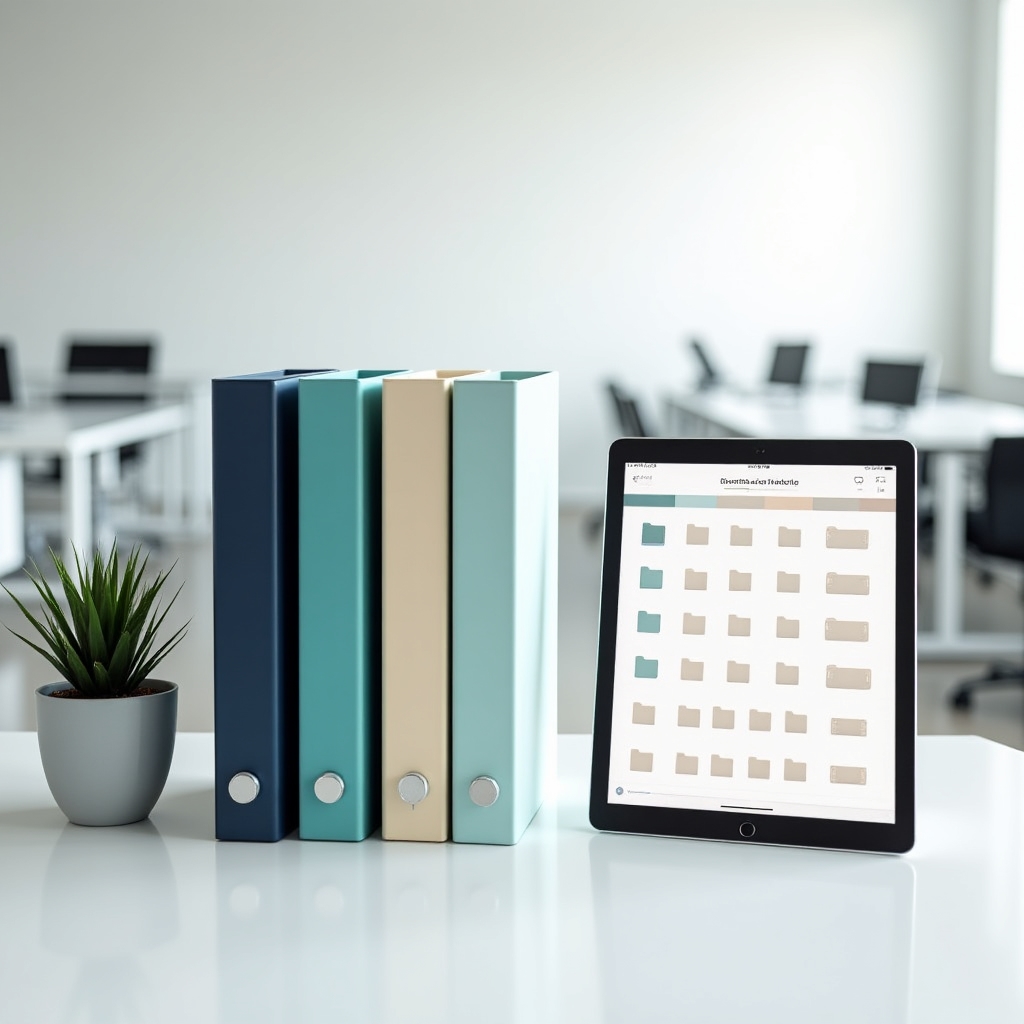
Paperwork does not have to be overwhelming. This module shows you exactly which documents matter for a rental property, how to organize them in a logical folder structure, and what to keep digital versus physical.

You will also understand which documents protect your interests if you ever need to resolve a dispute or hand the property to a new tenant cleanly.

Neatly organized binders and digital folders on a modern desk with a tablet showing a document management interface

Move-in and move-out done properly

The handover moments are when most landlord-tenant problems begin or end. This module covers the move-in inspection protocol, how to create a visual condition record, and what both parties should sign and receive copies of.

Move-out follows its own checklist: what to check, how to compare against the move-in record, and how to communicate findings clearly and fairly.

Two people conducting a move-in inspection in a bright apartment, one holding a tablet and the other taking notes on paper
A confident property owner standing in a well-maintained apartment hallway, reviewing a document
Who this is for

You already own the property. Now manage it well.

Most landlords with one or two units learned everything on the job. Some things worked. Others caused stress that could have been avoided with a bit of structure.

This course is not aimed at property investors or people building large portfolios. It is built for people who have one apartment or a small house to rent, want to do it properly, and do not want to wade through content aimed at much bigger operations.

No financial planning. No tax advice. No investment strategy. Just the practical side of managing a tenancy relationship, keeping the property in good shape, and having your paperwork in order.

What makes our approach different
What the course covers

Built around real landlord situations

Setting clear boundaries early

What to communicate before a tenant moves in, what goes in writing, and how to establish a professional tone from the start.

Seasonal property checks

A straightforward calendar of what to inspect and when, adapted for residential rental properties without requiring specialist trade knowledge.

Understanding your own documents

What should be in a rental agreement, what to keep copies of, and how to organize records so you can find what you need without searching through folders for an hour.

Handling problems when they arise

How to respond to maintenance emergencies, what to do when communication breaks down, and how to document situations as they develop.

Ready to start the course?

See the full module structure, what each section covers, and how the course is organized from start to finish.

View Course Modules

Still have questions?

Reach out directly. We respond to questions about the course content, format, and what is and is not included.

Get in Touch